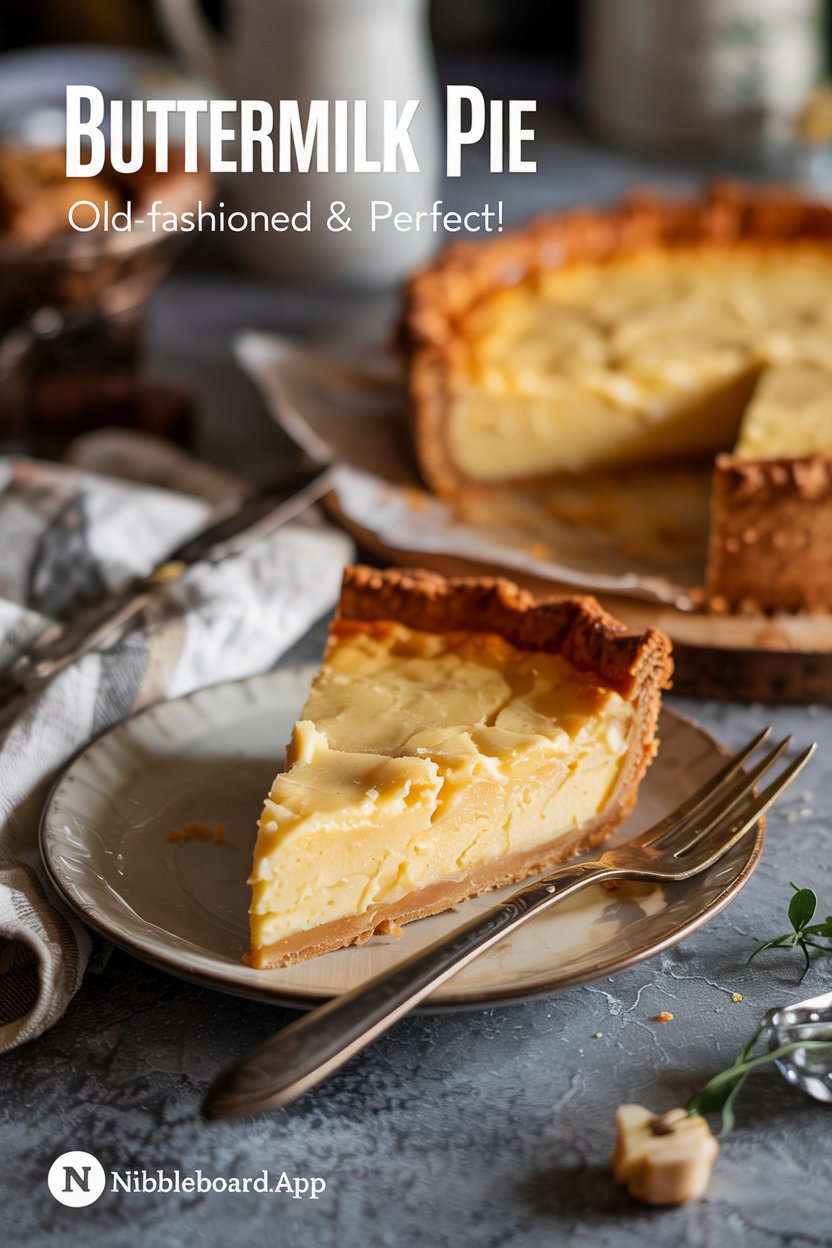
This old-fashioned buttermilk pie is the kind of recipe that makes you wonder why you ever bothered with anything fancier. Simple pantry staples, a single bowl, and about an hour in the oven — that's it.
Why This Recipe Works
- Flour acts as a stabilizer that helps the custard set without needing a water bath like most custard pies
- Buttermilk's acidity creates a tender, silky filling with a subtle tang that balances the sweetness
- The lemon juice brightens the flavor and keeps the filling from being one-note sweet
- Baking on a sheet pan distributes heat evenly and catches any drips from the filling expanding
My grandma made exactly two pies — a pecan pie at Thanksgiving and a buttermilk pie the rest of the year. I didn't think much of it as a kid. Custard pie? Boring. Give me the chocolate cake. But somewhere around my late twenties, I made her buttermilk pie recipe for Matt's birthday (he specifically requested "something simple, not fancy"), and I finally got it. That first bite — the golden caramelized top cracking into this impossibly creamy, tangy custard underneath — I actually called my mom to apologize for every time I'd passed on Grandma's pie.
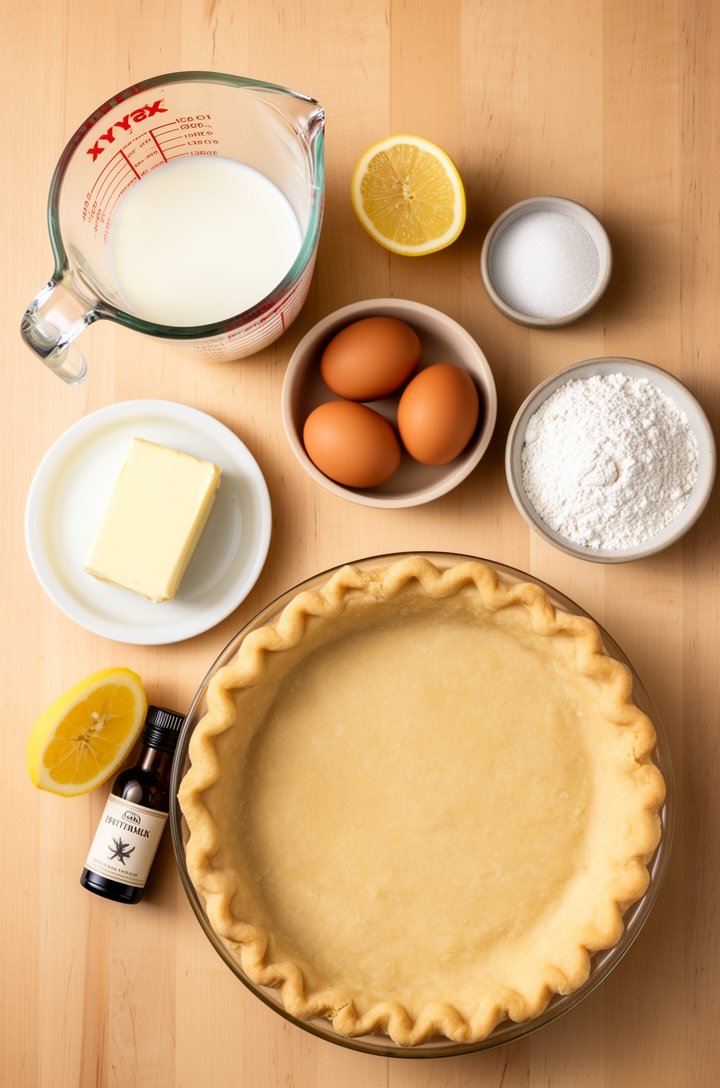
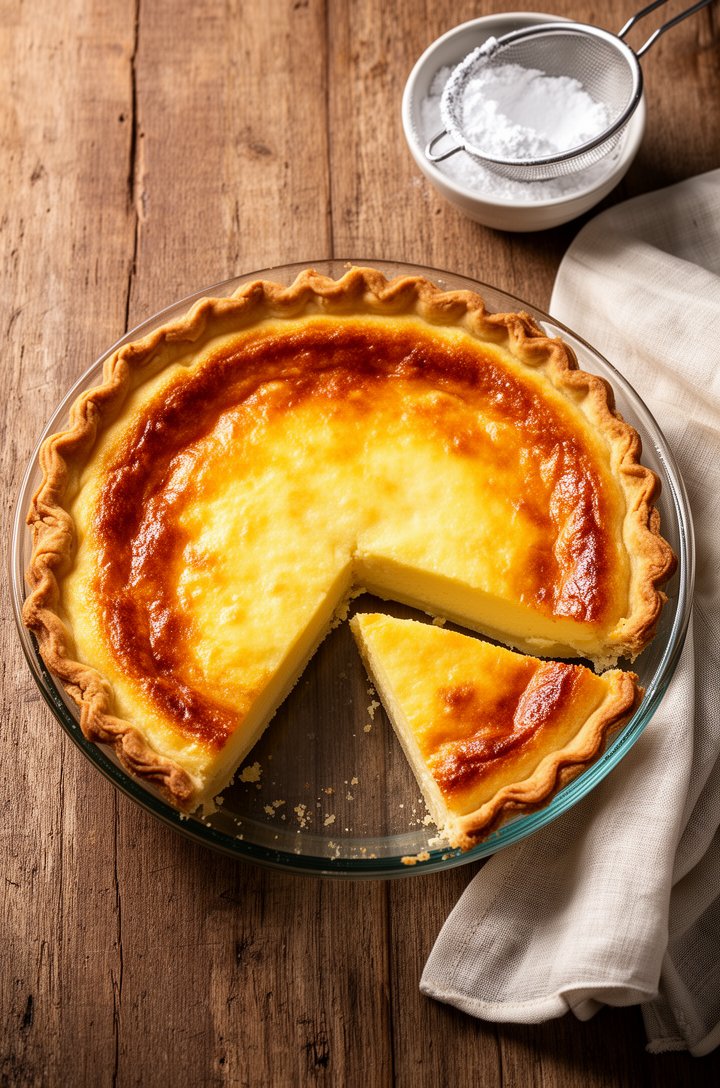
This is one of those recipes that almost feels too easy to be this good. Nine ingredients, five minutes of active work, and your oven does the rest. The filling is basically butter, sugar, eggs, and buttermilk — things you probably already have in your kitchen right now. No water bath, no tempering eggs, no fussing. Just dump, mix, pour, bake. And the result? A silky smooth custard with this gorgeous golden-brown top that has the slightest crackle when you press your fork through it.
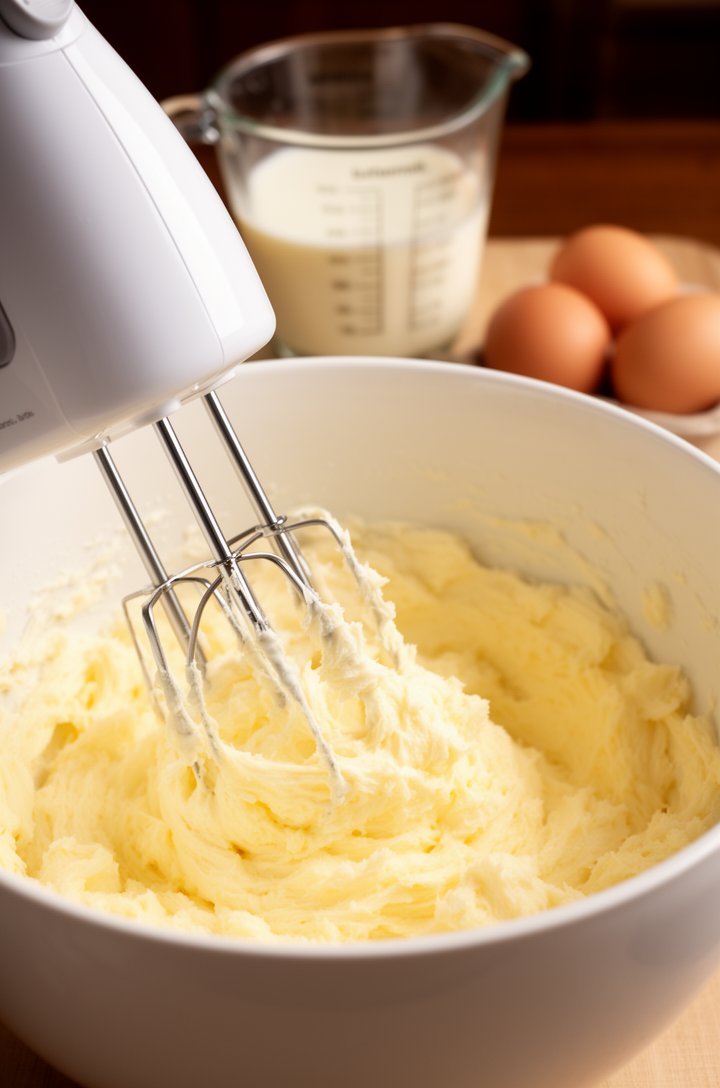
The buttermilk is what makes this pie special. It gives the custard this subtle tanginess that keeps it from being cloyingly sweet — like the difference between a great cheesecake and a mediocre one. And a squeeze of lemon juice takes it one step further. I've made this pie at least thirty times now, and I always get asked for the recipe. Lily has started helping me make it on Sunday afternoons, and honestly, it's simple enough that she can do most of it herself.
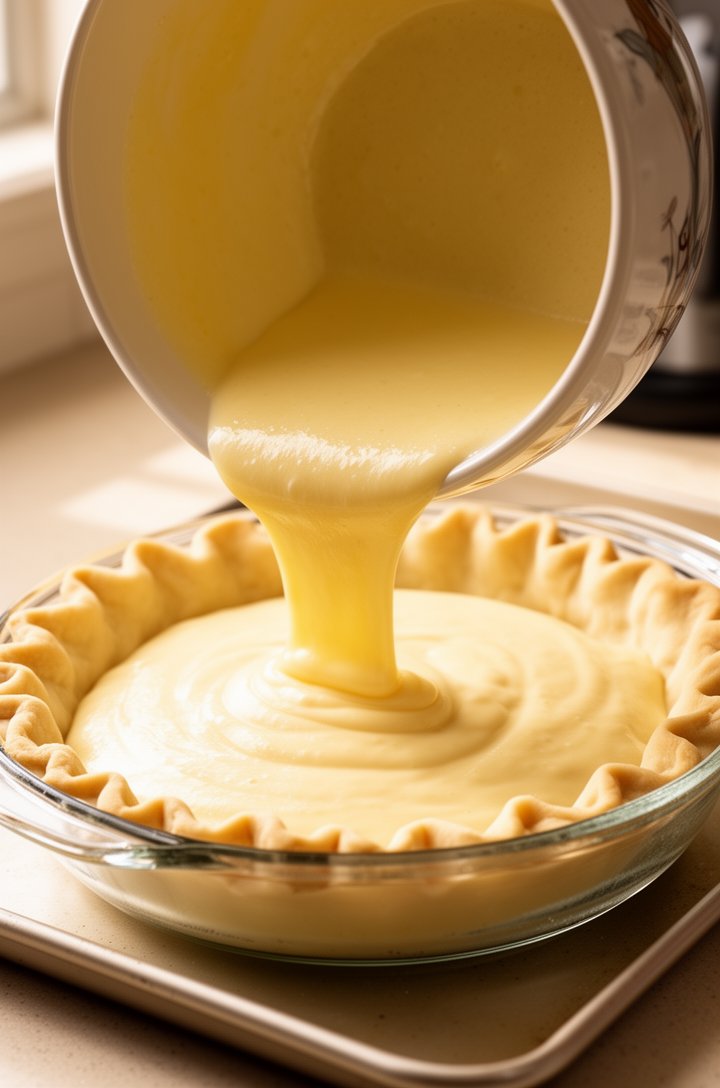
Here's the thing about buttermilk pie — it's humble. There's no fancy garnish or complicated technique. It's a pie that your great-grandmother probably made with whatever was in the pantry, and that's exactly why it's lasted this long. Every bite tastes like someone's kitchen on a Sunday afternoon.
Grab a pie crust and let's make Grandma proud.
How It Comes Together
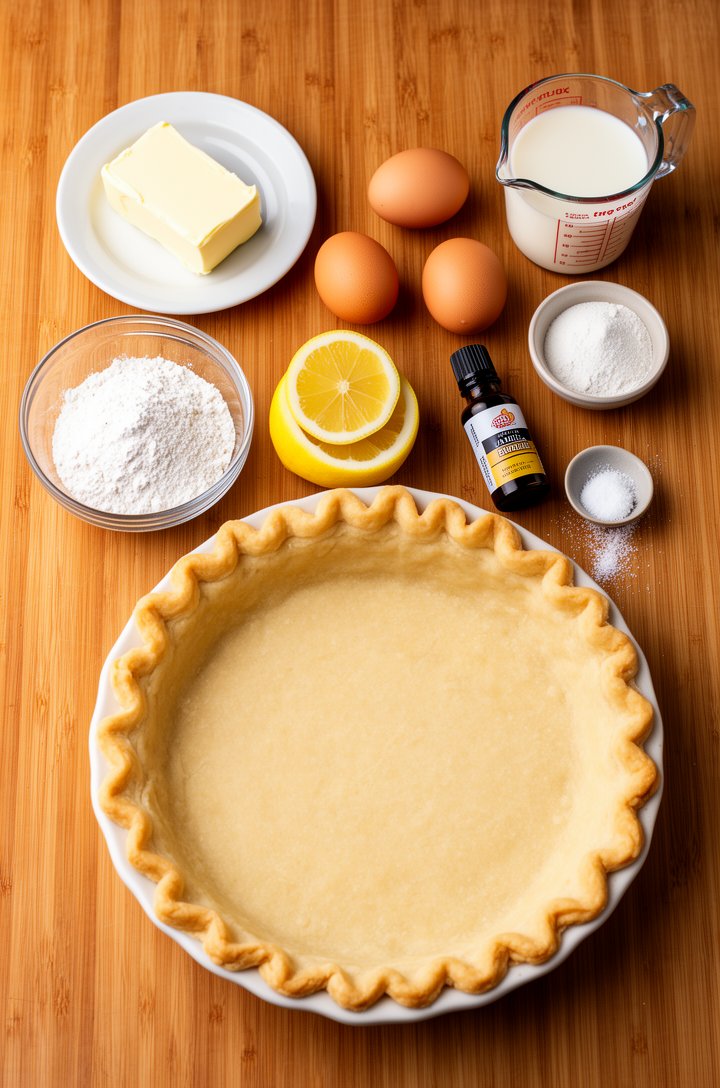
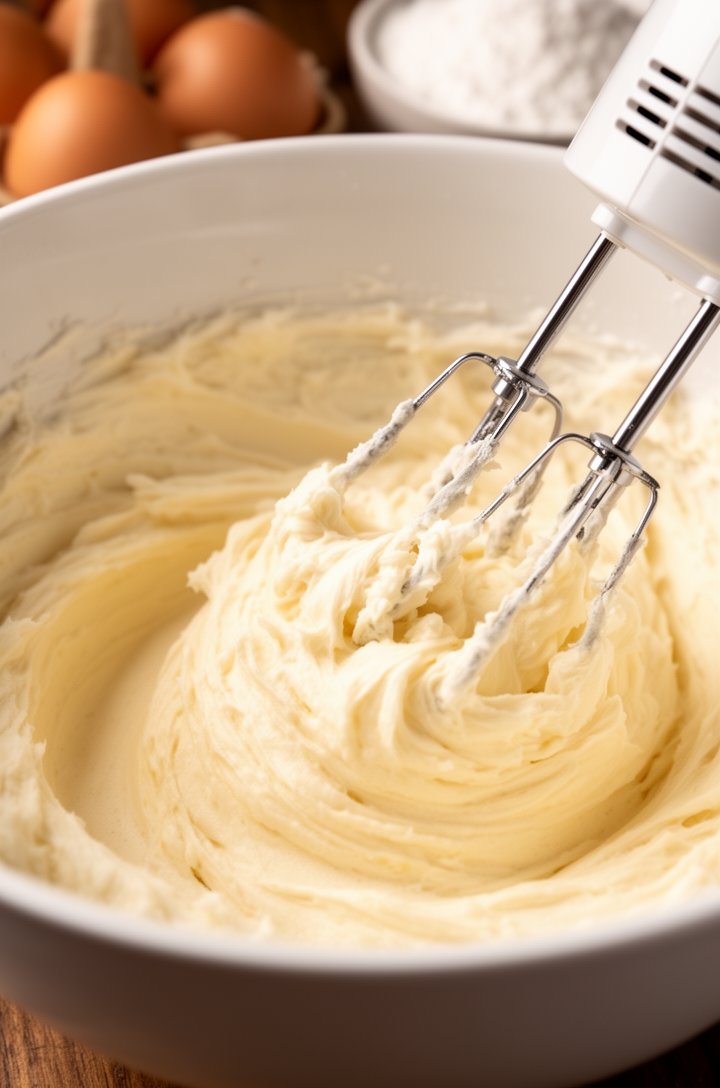
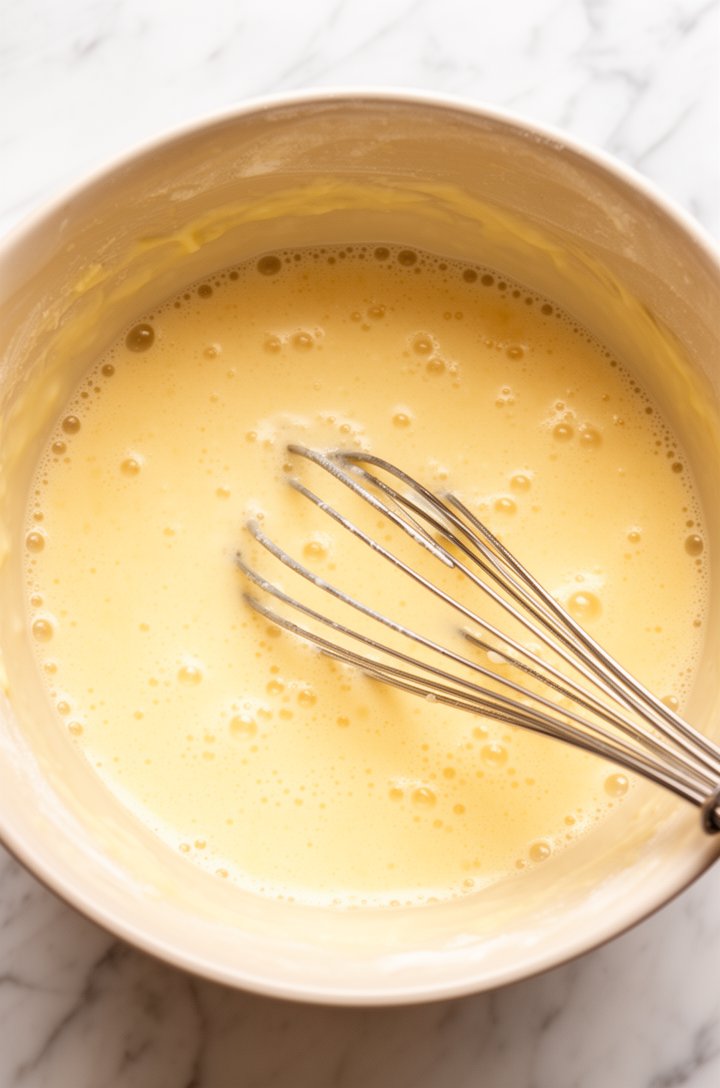
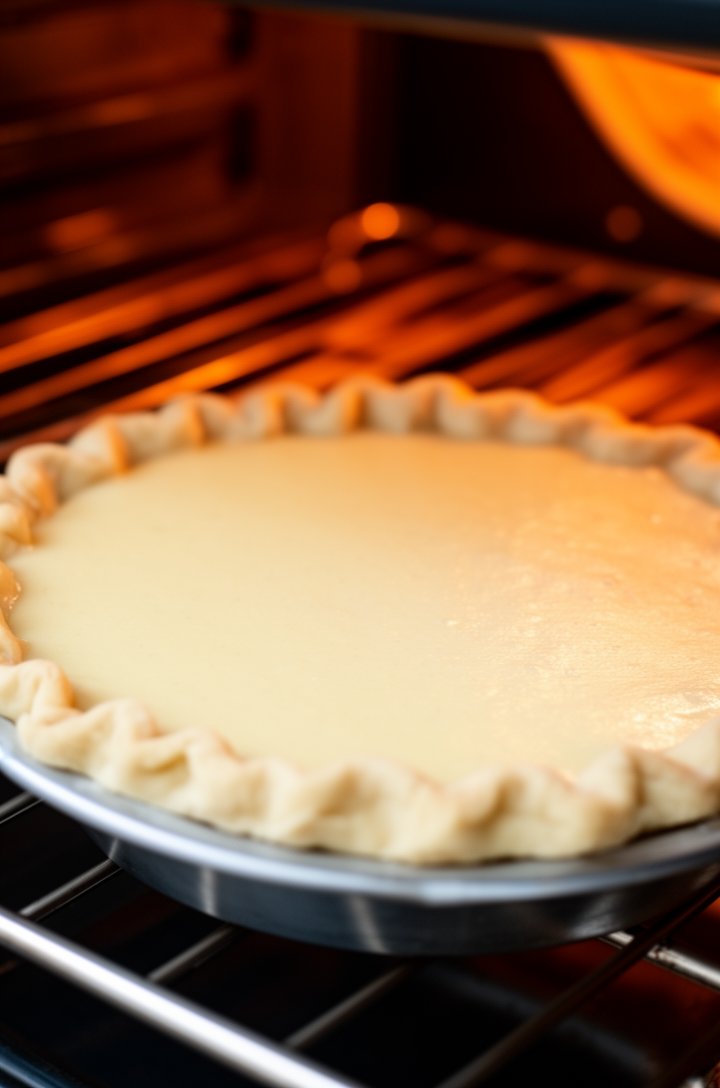
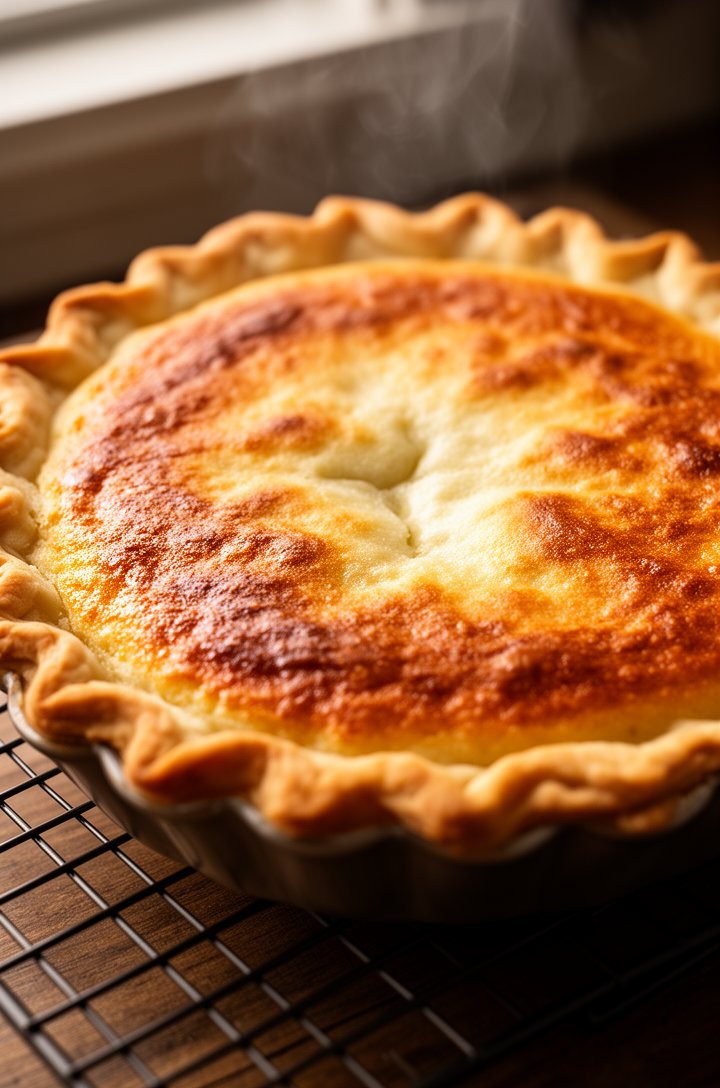
Chef Tips
- Don't panic when the batter looks curdled after adding the buttermilk — that's totally normal and it bakes up perfectly smooth.
- I've found that using a deep dish pie plate prevents any overflow. Regular 9-inch dishes work but fill right to the top.
- The pie should still have a slight wobble in the very center when you pull it out — it sets up as it cools. Overbaking makes the custard grainy.
- No buttermilk? Add 1 tablespoon of white vinegar or lemon juice to 1 cup of whole milk and let it sit for 5 minutes.
- Store leftovers covered in the fridge for up to 4 days. The flavor actually deepens overnight — it's even better on day two.
Variations
Lemon Buttermilk Pie
Add the zest of one lemon and increase lemon juice to 2 tablespoons for a bright citrus twist.
Nutmeg Buttermilk Pie
Add 1/2 teaspoon freshly grated nutmeg to the filling for a warm, old-fashioned spiced version.
Coconut Buttermilk Pie
Fold in 1/2 cup sweetened shredded coconut and top with toasted coconut flakes after baking.
Serving Suggestions
Serve at room temperature or slightly chilled with a dollop of fresh whipped cream and a light dusting of powdered sugar. A few fresh berries on the side make it feel fancy without trying too hard.
Make It Ahead
Bake the pie up to 2 days ahead. Cover and refrigerate. Bring to room temperature for 30 minutes before serving, or serve chilled.