I started baking pound cake because of my mom. She always had one of those store-bought Sara Lee cakes in the freezer — and honestly, I thought that was just what pound cake was. Dense, kinda dry, fine but never exciting. Then I made one from scratch for Matt's birthday a few years ago because I was too tired to deal with frosting layers, and oh my god. The smell that filled the kitchen — warm butter and vanilla — had all three kids hovering around the oven door. That first slice, still barely warm, with the golden crust cracking as I cut into it? I understood immediately why this cake has survived for centuries. I've been making this version ever since. It's simple, it's forgiving, and it disappears fast. Even Ben, who normally won't touch cake unless it's chocolate, asks for seconds. The sour cream is the secret — it keeps every slice impossibly moist without making it heavy. I've made this at least thirty times and it comes out perfect every single time. Here's how I make it.
Why This Recipe Works
- Sour cream adds fat and acidity, keeping the crumb incredibly moist while giving the cake a subtle tang that balances the sweetness
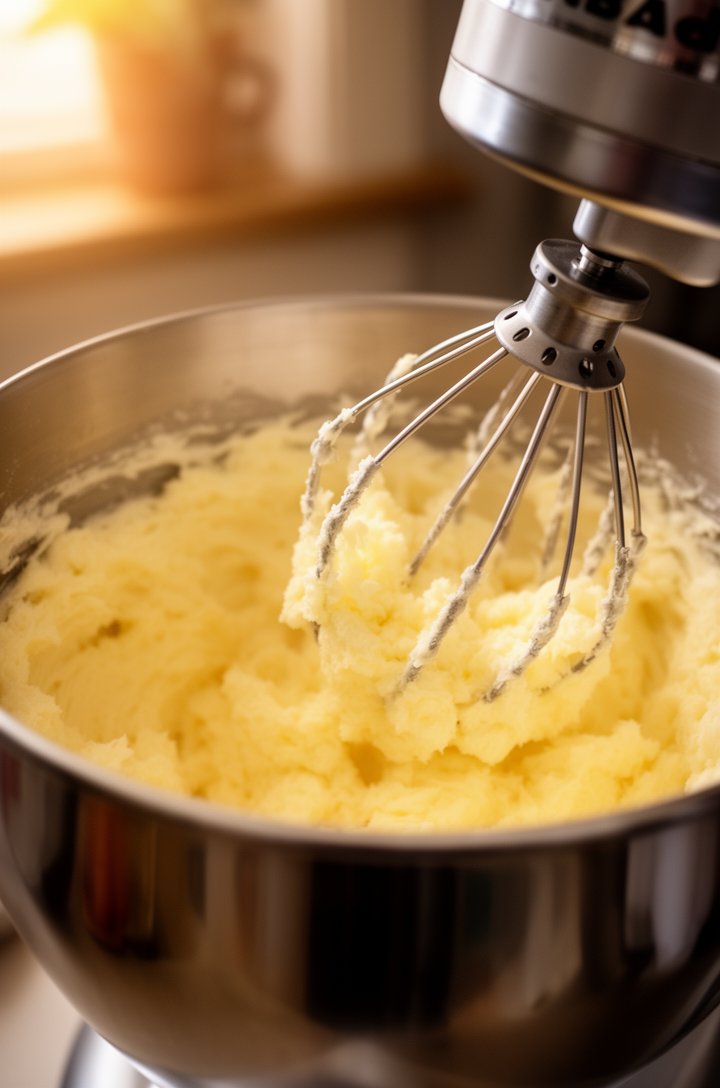
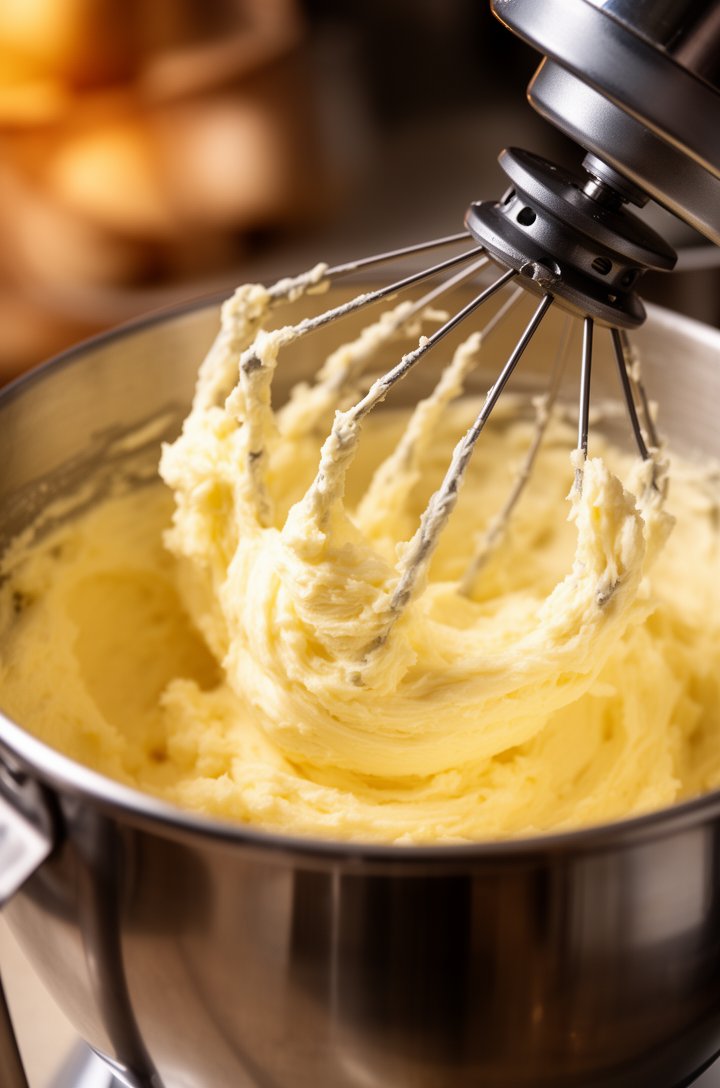
- Creaming the butter and sugar for a full 2 minutes incorporates air that lightens the dense batter without making it cakey
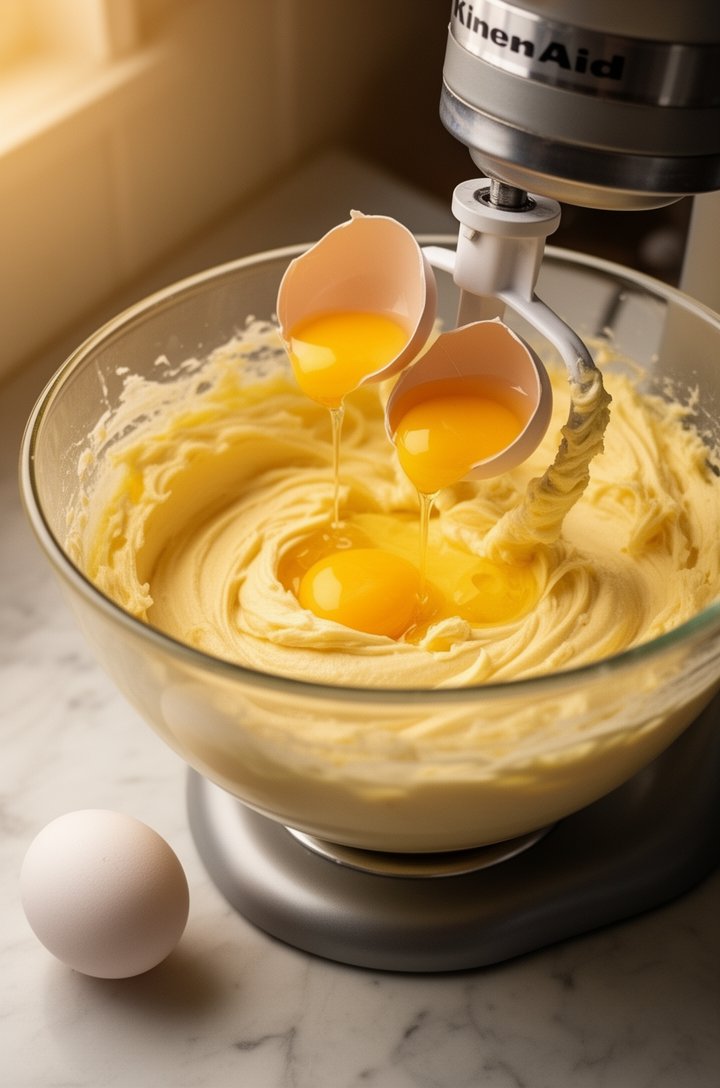
- Adding eggs one at a time prevents the batter from breaking and ensures an even, velvety texture throughout
- A small amount of baking powder gives just enough lift to keep the cake from being brick-heavy while preserving that signature dense pound cake crumb
I started baking pound cake because of my mom. She always had one of those store-bought Sara Lee cakes in the freezer — and honestly, I thought that was just what pound cake was. Dense, kinda dry, fine but never exciting. Then I made one from scratch for Matt's birthday a few years ago because I was too tired to deal with frosting layers, and everything changed. The smell of warm butter and vanilla had all three kids hovering around the oven. That first slice, still barely warm, with the golden crust cracking as I cut into it? I understood why this pound cake recipe has survived for centuries.
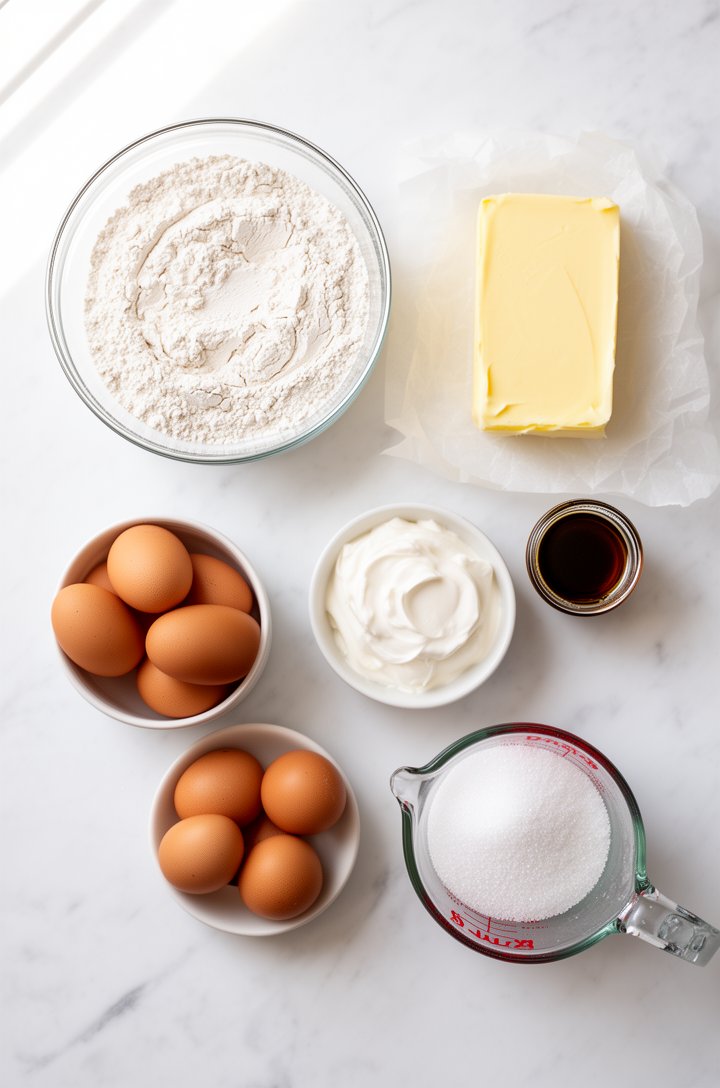
I've been making this version ever since — it's my go-to for everything from Sunday afternoon baking sessions to last-minute potluck contributions. Jess asked me for this recipe after I brought it to her Fourth of July party, and Karen now specifically requests it for family dinners. The sour cream is the real secret here. It keeps every single slice impossibly moist without making it heavy, and adds this subtle tang that keeps the sweetness in check. You don't need a fancy stand mixer (a hand mixer works fine), you don't need any unusual ingredients, and the whole thing comes together in about 10 minutes of active work.
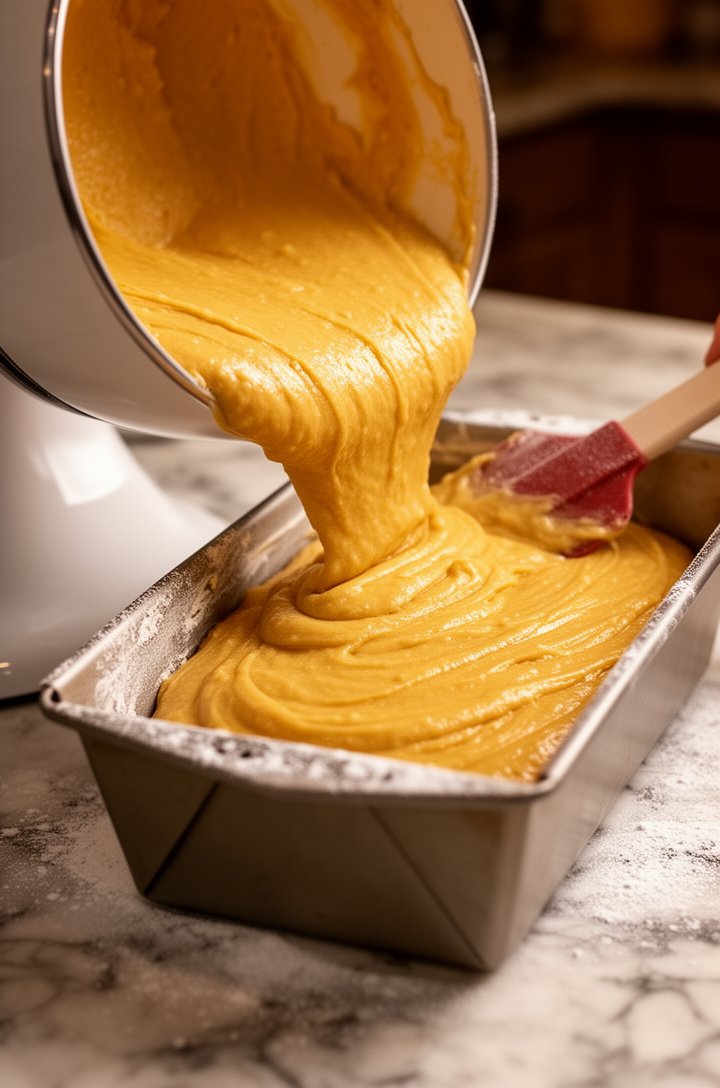
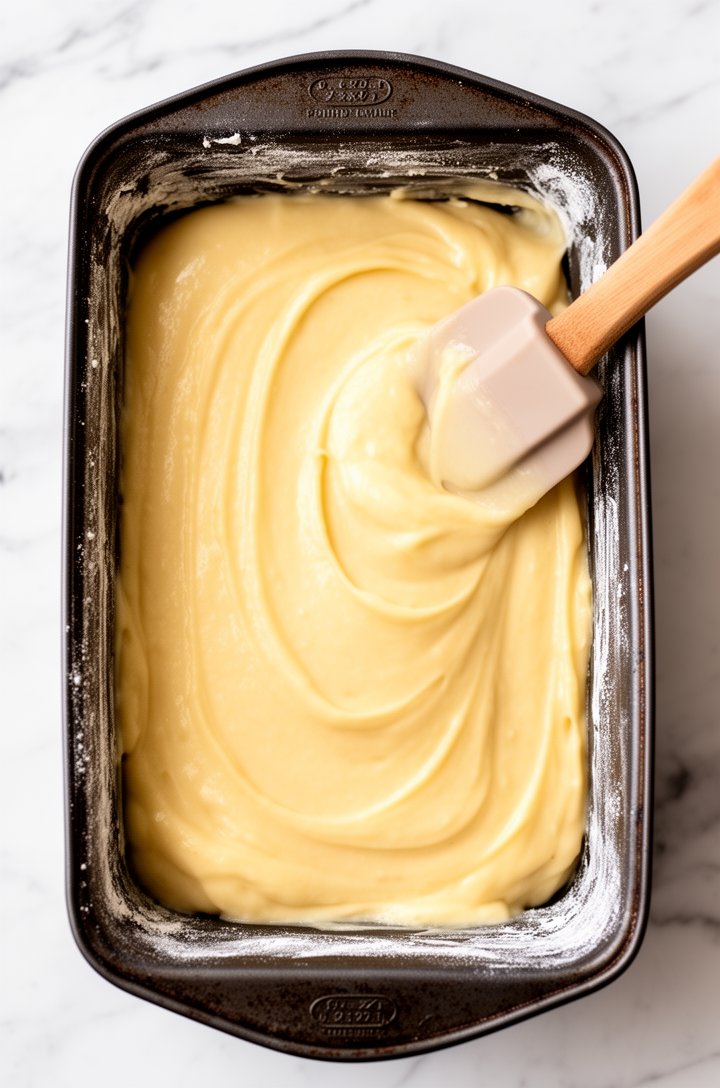
The batter is thick and glossy — when you fold in that last bit of flour and see how silky it looks, you know it's going to be good. The hardest part is waiting for it to cool, and I'll be honest, I've cut into it way too early more times than I should admit.
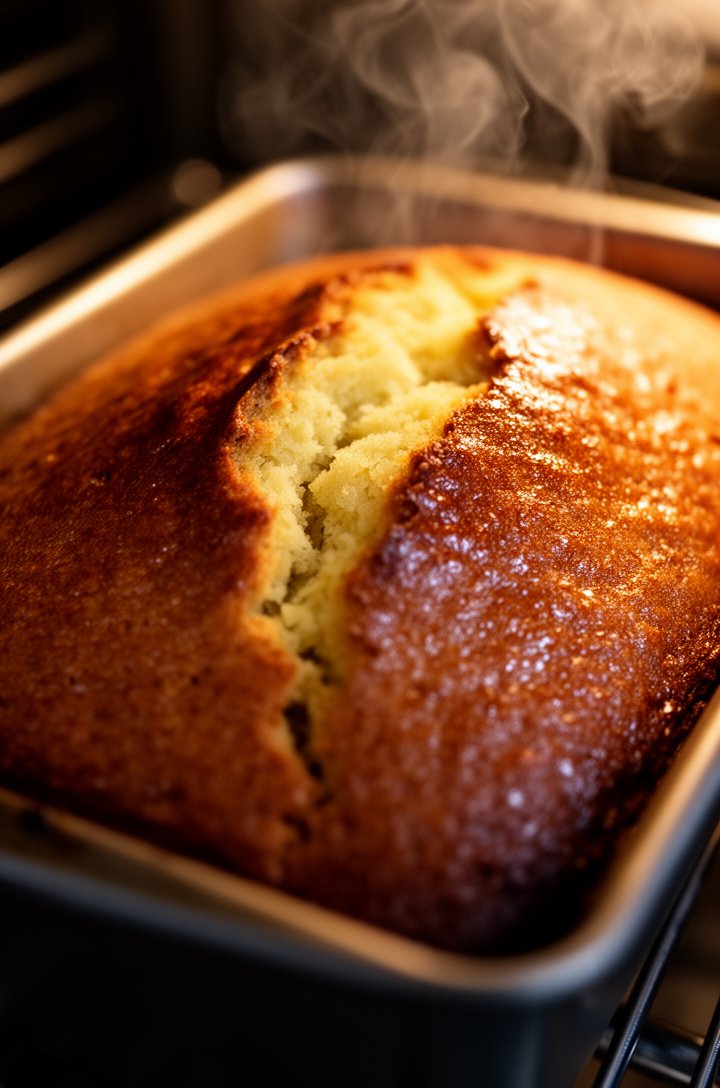
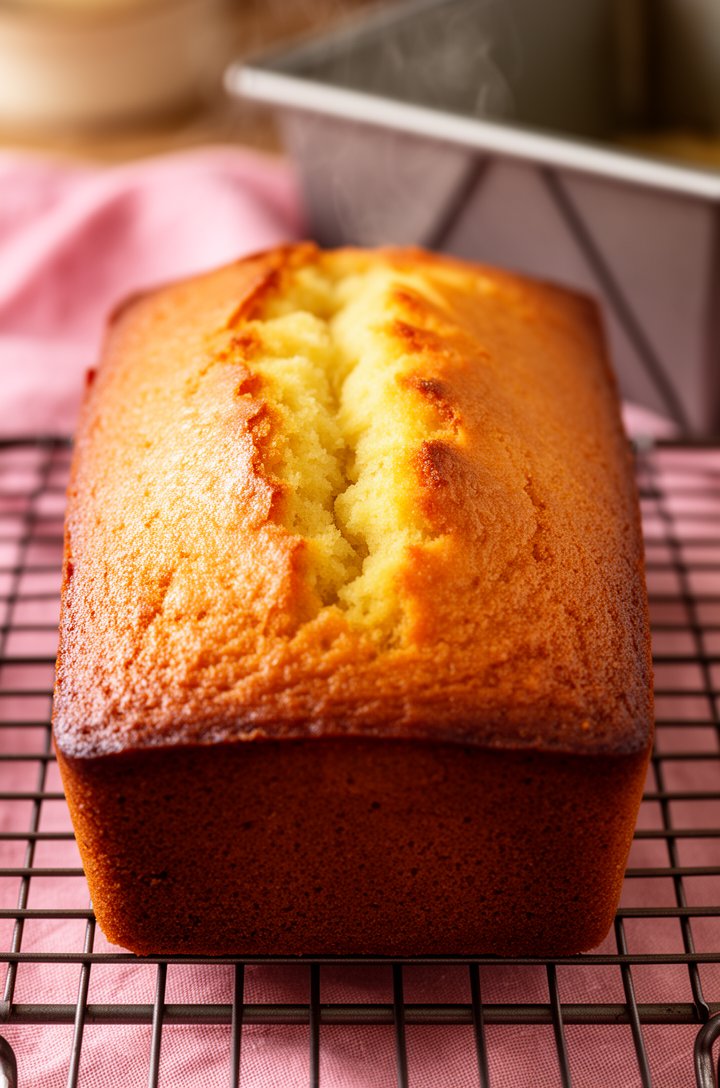
After about 40 minutes in the oven, you get this deep golden crust on top — slightly crackled and caramelized — while the inside stays buttery yellow and incredibly tender. The crumb is tight and dense in the best possible way, with that signature velvety texture that makes pound cake what it is.
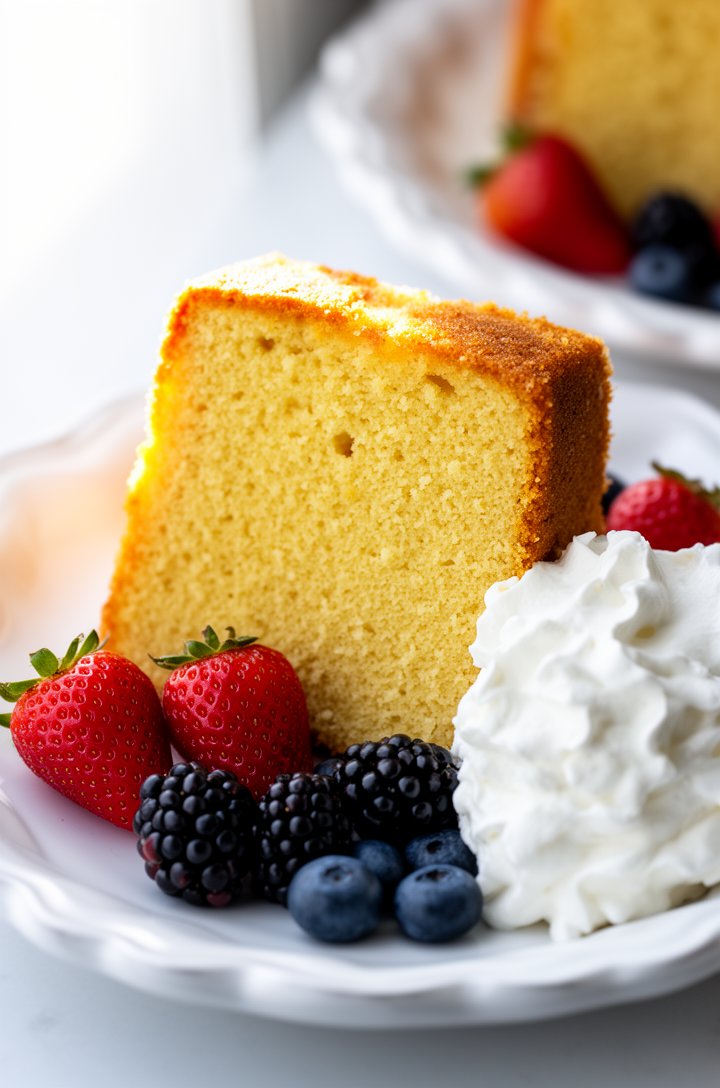
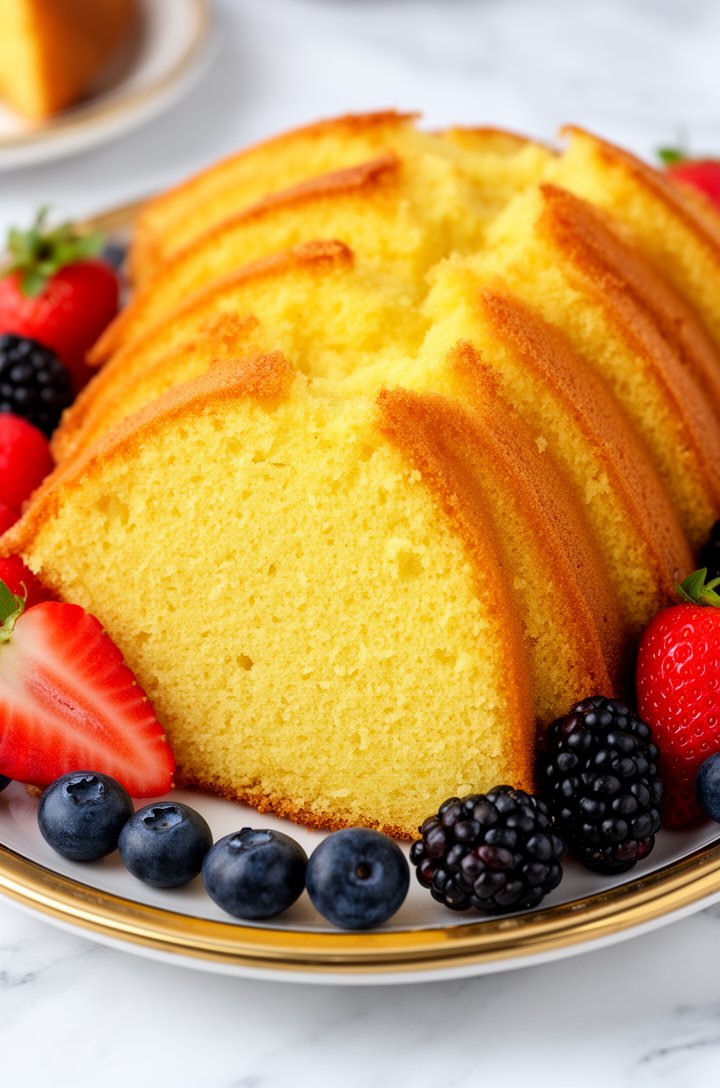
I slice it thick — none of those sad thin slivers — and serve it with a big pile of fresh berries and whipped cream. But honestly, it's just as good plain with a cup of coffee at 3pm when the house is finally quiet. Even Ben eats this one, and that kid normally won't touch cake unless it's chocolate.
How It Comes Together
Chef Tips
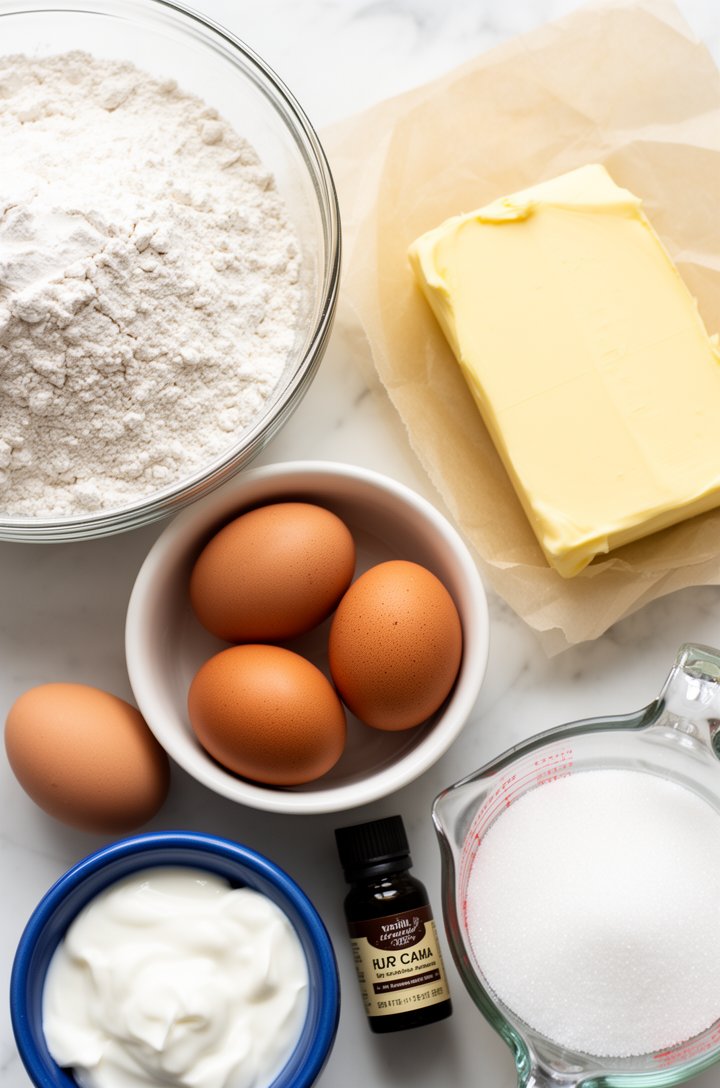
- Room temperature ingredients are non-negotiable here. Cold butter and eggs won't emulsify properly and you'll end up with a dense, heavy cake. I set everything out at least an hour before I start.
- Don't overmix once the flour goes in — 15 seconds on low is plenty. Overworking develops gluten and turns your tender pound cake into a tough bread. I've learned this the hard way.
- If you want a bakery-style dome crack on top, run a thin line of softened butter down the center of the batter before baking. The butter melts and creates a weak point where the cake splits beautifully.
- You can swap the sour cream for full-fat Greek yogurt in a pinch — the tang is slightly different but the texture stays just as moist.
- This cake actually tastes better the next day. I wrap it tightly in plastic wrap and the crumb gets even more tender overnight.
Variations
Cream Cheese Pound Cake
Swap the sour cream for 4oz softened cream cheese. This gives a denser, richer crumb with a slight tang. Bake 5 minutes longer.
Lemon Pound Cake
Add the zest of 2 lemons to the batter and replace the vanilla with 1 tbsp fresh lemon juice. Drizzle with a simple lemon glaze (1 cup powdered sugar + 2 tbsp lemon juice) while still warm.
Almond Pound Cake
Replace the vanilla extract with 1½ tsp almond extract and fold in ¼ cup sliced almonds. Top with a light dusting of powdered sugar.
Marble Pound Cake
Melt 2oz semi-sweet chocolate and swirl it into half the batter before pouring into the pan. Use a knife to create marble swirls.
Serving Suggestions
Serve thick slices with a dollop of fresh whipped cream and mixed berries — strawberries, blueberries, and blackberries are my go-to. Also incredible toasted with butter for breakfast, or topped with a scoop of vanilla ice cream and warm caramel sauce for a serious dessert moment.
Make It Ahead
Mix the dry ingredients the night before and store covered. The finished cake can be made a full day ahead — it actually tastes better after resting overnight wrapped in plastic wrap at room temperature.